
Man Accused of Grooming British Woman Online Goes on Trial for Her Murder
By Taylor Bennett. Nov 22, 2026
Once the plane left England, Sonia Exelby sent herself a message saying she wished she were home. A week later, investigators found her buried in Florida. Prosecutors say the man who picked her up had spent years manipulating her online. His trial began Tuesday, and the defense says he did not commit murder.
Her fiancé thought she was visiting family
Exelby traveled to Florida on October 10, 2025. Her fiancé, Steven Hunt, testified that she had told him she was going to see her sisters. He was not initially alarmed when she left.
When she did not return as planned, Hunt contacted police and looked at her computer. Prosecutors said he found the message she had sent to herself after boarding the flight. It described panic, regret and the realization that she could not simply get off.
“As soon as the wheels left the ground, I wished I was home,” the message said.
British investigators established that she had purchased a ticket and reserved an Airbnb in Marion County, Florida. They alerted detectives there. The inquiry that followed connected her trip to Dwain Hall, an Ocala man she had communicated with online for approximately two years.
The first link to Hall was financial
Investigators found attempted charges to Exelby’s card from Hall’s roadside-assistance business. In opening statements, prosecutors described a declined $1,200 transaction as a lead that helped connect him to the missing woman.
Prosecutors said Hall initially denied knowing her. After hours of questioning, he acknowledged meeting her online, picking her up and having sex with her at the rental property, but denied killing her. An earlier investigative account reported that he said she had left with an unknown man in a tan Cadillac.
The state alleges that the evidence contradicts that account. Prosecutors told the jury Hall had instructed Exelby to bring $4,000 and that the trip followed years of grooming and manipulation. Those descriptions are the prosecution’s case, not findings the jury has already made.
What investigators found before the burial site
A Walmart receipt recovered from the Airbnb led investigators to purchases made before Exelby’s plane landed. Prosecutors said surveillance showed Hall buying rope, a shovel, gun oil and deodorant. The state argues the timing is evidence of preparation.
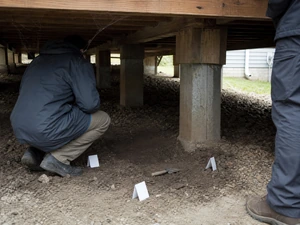
Cellphone records placed Hall in a wooded area on the morning of October 12, prosecutors said. A search led to Exelby’s remains in a shallow grave. Medical examiners determined that she had been stabbed to death.
The earlier court-record reporting described additional evidence: blood matching Exelby on a newly purchased shovel and a deleted video recovered from Hall’s phone. Investigators said the video showed her injured while Hall questioned her about how she wanted to die. Those claims require the same scrutiny as the rest of the evidence presented at trial.
A call about a package
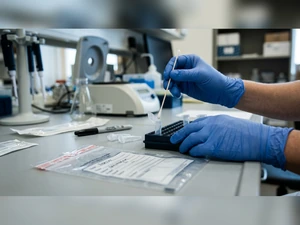
Investigators also described a call Hall made to his wife after his arrest, telling her to expect a package from a friend in Ohio. Police said he had mailed that friend a package containing a seven-inch knife. An analysis found Exelby’s DNA on the weapon, according to the court records reviewed by Court TV.
The reported package, purchases and phone data are separate parts of the state’s effort to reconstruct what happened after Exelby arrived. An online conversation alone does not establish those later events; prosecutors must connect their allegations to the physical and digital evidence.
Her family’s account reaches the jury
Opening statements and testimony began November 17. Hall, now 54, faces first-degree murder and kidnapping charges and has pleaded not guilty. His lawyer gave a short opening, asking jurors to listen to all the witnesses and arguing the evidence would show he did not commit murder.
Hunt testified about Exelby’s mental health struggles and attempts to get help. Prosecutors described a traumatic childhood. Her older sister, Gemma Isaj, told jurors the siblings were separated as children and reconnected when Exelby turned 18.
Isaj said Exelby sometimes believed she did not deserve to be around her family and did not want to burden them. Missing a planned visit was not unusual enough to immediately cause panic. Once relatives learned she had not reached her sisters, they began sharing her details on missing-person pages in Florida.
Messages to a friend suggest Exelby tried to back out of the arrangement, according to opening-day reporting. That evidence complicates a headline that treats an earlier wish to die as the complete account of her trip. The jury must determine Hall’s responsibility for what happened, not merely whether Exelby once discussed death online.
Isaj’s testimony described a family that had continued trying to reach her. They did not see her as an unwanted burden, she said. They wanted to be there for her.
If you or someone you know is in crisis in the United States, call or text 988.
References: Trial underway for Ocala man charged in UK woman’s death | Man told detectives he helped victim get what she wanted after killing her | Florida man accused of kidnapping, murdering UK woman from fetish website

The Truth In Facts team was assisted by generative AI technology in creating this content
Trending