Famous Short Seller Convicted in $21 Million Market Manipulation Case
By Taylor Bennett. Aug 25, 2026
He Built a Career Moving Markets
Andrew Left became one of the most recognizable names in the aggressive world of short selling.
Through Citron Research, he publicly criticized companies whose shares he believed were overvalued or troubled, sometimes generating immediate attention from investors.
He also appeared on financial television and built a reputation as a market provocateur willing to challenge major companies.
Then federal prosecutors turned their attention toward him.
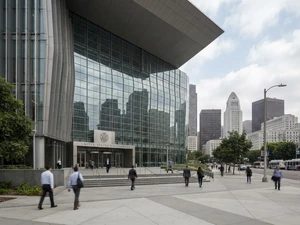
On June 1, a federal jury in Los Angeles convicted Left of participating in a securities-fraud scheme and on multiple securities-fraud counts connected to specific trades.
The Justice Department said the long-running scheme generated more than $21 million in profits.
Left denied wrongdoing and pleaded not guilty.
After the verdict, he indicated that he intended to continue fighting the case.
Prosecutors Said His Public Statements Did Not Match His Trading
Short sellers generally make money when the price of a stock declines.
There is nothing inherently illegal about taking a short position or publicly criticizing a company.
The government’s case focused instead on what prosecutors said Left told the public compared with what he actually intended to do with his own positions.
Federal authorities alleged that Left took positions in companies, made public statements capable of moving their shares and then traded in ways that were inconsistent with the impression he had given investors.
The Justice Department argued that those discrepancies were not merely aggressive investing.
Prosecutors said they amounted to market manipulation and fraud.
A jury agreed on the core securities-fraud allegations.
His Influence Was Part of What Made the Case Unusual
Left was not an anonymous trader operating quietly.
His Citron reports could draw widespread attention.
He appeared on television.
His commentary concerned companies familiar to ordinary investors, including major names such as Tesla and Nvidia, according to reporting on the federal case.
That visibility was central to the government’s argument.
Prosecutors contended that Left knew his public statements could influence stock prices and used that reaction for his own benefit.
The case therefore raised broader questions about the line between market commentary and unlawful manipulation.
Investors, analysts and short sellers frequently express strong views about public companies.
The First Amendment protects speech, and market participants routinely change positions.
The jury nevertheless concluded that the evidence in Left’s case established criminal conduct on the charges for which he was convicted.
The Case Was Closely Watched on Wall Street
Left’s prosecution attracted attention well beyond one investor.
Short sellers can play a controversial role in financial markets.
Supporters argue that they expose weak companies, inflated valuations and occasionally outright corporate wrongdoing.
Critics accuse some short sellers of using dramatic public claims to drive prices lower.
Left himself became famous operating inside that tension.
His defense disputed the government’s interpretation of his conduct, and legal observers had questioned whether the prosecution risked criminalizing behavior associated with outspoken investors and financial critics.
The verdict did not eliminate that debate.
But it established that jurors believed prosecutors had proven criminal securities fraud in Left’s specific case.
Sentencing Is Still Ahead
Left’s conviction does not mark the final stage of the proceedings.
His sentencing is scheduled for August 31, 2026, according to the Associated Press and Reuters reporting on the verdict.
The Justice Department said the securities-fraud scheme count carries a potential maximum prison sentence of 25 years.
A maximum statutory penalty is not a prediction of the sentence a defendant will actually receive.
That determination belongs to the federal judge, who considers applicable law and sentencing guidelines.
Left can also continue pursuing legal challenges.
For years, his public identity was built around scrutinizing companies and telling investors that powerful businesses were not always what they appeared to be.
His criminal case turned that dynamic around.
This time, Andrew Left was the one under scrutiny.
And a federal jury concluded that the man famous for challenging the stories told by public companies had misled investors himself.
References: Activist Short Seller Convicted for $21M Stock Market Manipulation Scheme | Short Seller Andrew Left Convicted of Securities Fraud | Andrew Left, Citron Research Founder, Convicted of Securities Fraud

The Truth In Facts team was assisted by generative AI technology in creating this content
Trending