How New DNA Technology Is Reopening Cold Cases
By Jordan Reyes. Sep 20, 2026
Evidence That Once Failed Can Be Tested Again
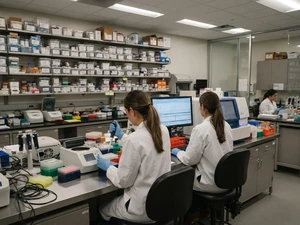
Cold cases are increasingly being reopened because evidence collected years or even decades ago can sometimes yield information that older forensic methods could not recover. The National Institute of Justice says advances in DNA technology have improved analysis of aged, degraded, limited and otherwise compromised biological evidence.
That means a sample that once produced no profile - or only an inconclusive one - may become useful after new laboratory techniques are developed. In a cold case, that change can create a lead without investigators finding any new physical evidence at all.
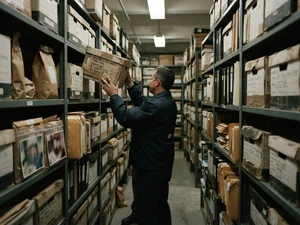
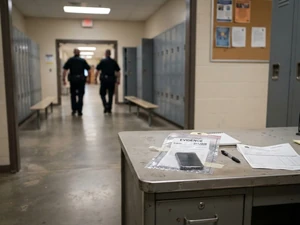
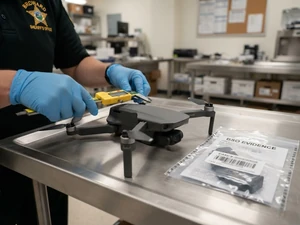
The most important requirement is often preservation. Evidence has to survive long enough, and in a condition suitable enough, for a future laboratory to examine it again.
A DNA Profile Is a Lead, Not a Complete Solution
Modern testing can produce a profile, but detectives still have to determine whose DNA it is and what it means. A profile may be compared with criminal-justice databases, with family-reference samples or, in some investigations, through forensic genetic genealogy.
Each route answers a different question. A database match may point toward a known individual. A family sample can connect unidentified remains to a missing person. Genetic genealogy can identify relatives and help investigators build a family tree toward a possible name.
None of those methods automatically proves a crime. Investigators must still establish the timeline, confirm identity, interview witnesses and determine whether the DNA is relevant to the criminal act being investigated.
Missing-Person Systems Add Another Layer
The National Missing and Unidentified Persons System, known as NamUs, was created to bring missing-person records and unidentified-remains cases into a national system. It also provides forensic services such as DNA analysis, fingerprint examination, anthropology and investigative support.
The system can help connect cases that began in different places and at different times. A missing person reported in one state may eventually be compared with unidentified remains recovered elsewhere.
NamUs also works with family members because reference samples can be critical years later. A relative’s DNA does not identify remains by itself, but it can provide the comparison needed when an unknown profile is recovered.
Recent Cases Show Several Paths to an Answer
Some cold cases move because old clothing is retested. Others turn when a fingerprint is reexamined against updated records. Unidentified remains may get a name after genealogy research finds living relatives. In still other cases, preserved DNA leads to an arrest or guilty plea decades after the original investigation.
The common thread is not a single technology. It is the combination of preserved evidence, improved science and renewed investigative work.
Cold cases often remain difficult because witnesses die, memories fade and records become harder to locate. New forensic tools cannot reverse those losses. What they can do is create information that did not exist for the original detectives.
That is why an old evidence box may still matter. The material inside does not change with time, but the questions laboratories are able to ask of it can.
References: National Institute of Justice - Cold Case Investigations | NamUs - About the National Missing and Unidentified Persons System

The Truth In Facts team was assisted by generative AI technology in creating this content
Trending