Lindsay Clancy Trial Nears Jury After Defense Rests
By Dana Whitfield. Aug 26, 2026
The Lindsay Clancy Trial Is Approaching Its Final Stage
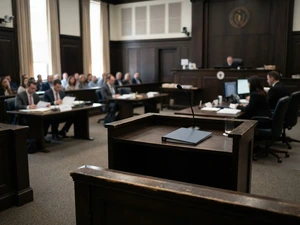
The murder trial of Massachusetts mother Lindsay Clancy is nearing the jury after her defense rested following weeks of testimony over the 2023 deaths of her three young children.
Clancy is charged with three counts of first-degree murder in the deaths of Cora, 5, Dawson, 3, and Callan, 8 months, at the family’s Duxbury home. She has pleaded not guilty, with her attorneys arguing that she was not criminally responsible because of her mental condition at the time.
The defense rested August 21. Prosecutors then began calling rebuttal witnesses, placing the closely watched case within days of closing arguments and jury deliberations.
Three Children Remain at the Center of the Case
Much of the courtroom testimony has focused on psychiatric evaluations, medications, medical records and competing expert opinions.
But the case begins with three children.
Cora, Dawson and Callan died in January 2023 inside their family home.
Their mother survived injuries from what authorities described as a suicide attempt and was later charged in their deaths.
The legal question for jurors is not simply whether Clancy caused the children’s deaths. Her defense has centered on whether she was criminally responsible for her actions under Massachusetts law because of her mental state.
Experts Have Offered Conflicting Conclusions
The defense called forensic psychiatrist Dr. Phillip Resnick, who testified that he believed Clancy was experiencing psychosis at the time.
Her attorneys argue that severe postpartum mental illness prevented her from appreciating or controlling her actions in the way required for criminal responsibility.
Prosecutors strongly dispute that conclusion.
A prosecution expert, Dr. Avram Mack, testified that he did not find evidence supporting diagnoses of psychosis or mania at the time of the killings. He acknowledged that Clancy experienced significant depression but told jurors he believed she understood right from wrong and remained capable of controlling her actions.
Those competing views have become one of the trial’s central battles.
The Defense Has Rested, but Testimony Continued
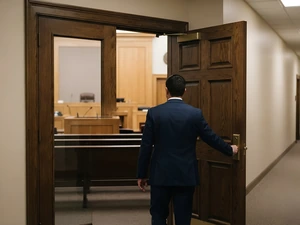
After the defense concluded its presentation Friday morning, prosecutors began their rebuttal case.
That gave the state an opportunity to challenge the psychiatric conclusions offered by defense witnesses before both sides move to final arguments.
The case has drawn intense public interest partly because it sits at the difficult intersection of criminal law and postpartum mental health.
Those issues require careful distinction.
Clancy’s attorneys have presented specific mental-health diagnoses and expert opinions as part of a legal defense. They remain contested claims in the trial rather than settled explanations for what happened. Prosecutors maintain that the evidence shows deliberate action and criminal responsibility.
The Jury Will Face a Difficult Legal Question
The approaching deliberations will require jurors to decide which interpretation of the evidence they find credible.
If they conclude prosecutors proved the first-degree murder charges and criminal responsibility beyond a reasonable doubt, Clancy could face life imprisonment.
If the jury finds her not criminally responsible because of mental illness under Massachusetts law, the consequences would be fundamentally different and could involve psychiatric commitment rather than a conventional prison sentence.
Those are legal distinctions, but they are being considered in a case with unusually heavy emotional stakes.
A father lost all three of his children. Extended relatives lost young family members. And jurors have spent weeks hearing testimony about a household that moved from everyday family life to unimaginable tragedy.
Closing Arguments Will Bring the Case Back to Its Core
After weeks of doctors, family witnesses, records and expert disagreement, closing arguments are expected to bring the two competing cases into their clearest form.
The prosecution will ask jurors to find Clancy legally responsible for three killings.
The defense will argue that her mental state prevented criminal responsibility.
Neither argument changes the human loss at the heart of the trial.
Cora, Dawson and Callan were three young children whose deaths devastated a family and placed deeply difficult questions before a Massachusetts jury.
As testimony ends, the case is moving away from expert witnesses and toward the people who must now decide what the evidence proves.
References: Lindsay Clancy Trial: Defense Expert Dr. Phillip Resnick Testifies About Psychosis | Lindsay Clancy Trial Coverage

The Truth In Facts team was assisted by generative AI technology in creating this content
Trending