New York AG Takes Over Cornell Rape Investigation
By Jordan Reyes. Oct 4, 2026
New York AG Takes Over Cornell Rape Investigation
New York Gov. Kathy Hochul has removed the local district attorney from a renewed investigation into a former Cornell University student’s rape allegations and assigned the case to Attorney General Letitia James.
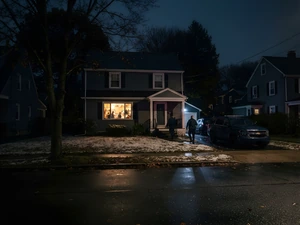
The move is the latest major turn in a case that dates to October 2024, when a woman identified in court filings as Jane Doe said she was sexually assaulted by multiple men at the Chi Phi fraternity house. No criminal charges were filed at the time, but a civil lawsuit and newly public records have brought the investigation back under intense scrutiny.
A Case That Had Been Closed Reopens
The woman recently sued Cornell University and seven former fraternity members, alleging that she was drugged and raped while severely intoxicated. The defendants have not been criminally convicted, and the allegations in the civil complaint remain claims that will have to be tested through legal proceedings.
Tompkins County District Attorney Matthew Van Houten initially said his office did not have sufficient evidence to prosecute the case. After the lawsuit renewed attention on the investigation, he announced that the criminal matter would be reopened.
CBS News then obtained a transcript of the woman’s 2024 interview with Cornell campus police. In that interview, she told an investigator she was completely confident that she had been raped, a statement that became important because Van Houten had publicly questioned whether her original account matched the allegations in the later lawsuit.
Messages Add to the Scrutiny
Additional messages obtained by CBS News have added complexity to the case. Some exchanges from shortly after the alleged incident show the woman communicating with one of the men in language that defense attorneys could argue is inconsistent with the later civil allegations.
Her attorney has said those messages reflected trauma, intoxication and an effort to understand what happened, rather than consent to everything alleged to have occurred that night. The legal dispute over how to interpret those records is likely to become a central part of any renewed criminal review.
Separate fraternity group messages obtained by CBS News also became part of the public discussion. Authorities have not said whether any of those communications independently establish a crime.
Governor Removes the Local Prosecutor
Hochul announced that James would act as special prosecutor, removing Van Houten from further control of the investigation. The attorney general’s office can now evaluate the available evidence and determine whether the case should be presented to a grand jury.
The governor’s action does not mean charges will be filed. It changes who will make that decision and places the review outside the office that declined prosecution after the original investigation.
Cornell has also agreed to an outside review of how the university handled the allegations. The school has said its Title IX process resulted in sanctions that included expulsions and suspensions and that the Chi Phi chapter was closed and remains barred from campus.
Investigation Returns to the Evidence
The renewed inquiry will have to reconcile the woman’s police interview, her later civil allegations, text and social-media records, witness accounts and whatever evidence investigators gathered in 2024.
The woman’s identity remains protected in the public court filings. The men accused in the lawsuit have not been convicted of rape, and the attorney general has not announced criminal charges.
What has changed is the institution responsible for deciding what happens next. Two years after the original allegation did not produce a prosecution, one of New York’s highest law-enforcement offices is now reviewing the case from the beginning.
Cornell Faces Its Own Review
The criminal investigation is separate from Cornell’s internal process and from the civil lawsuit. Cornell has said it investigated the allegations under its Title IX procedures and imposed disciplinary sanctions, while the woman’s lawsuit argues the university failed to protect her and respond adequately.
Those parallel proceedings use different legal standards and can reach different outcomes. A university disciplinary finding does not substitute for a criminal conviction, and a civil complaint does not establish criminal guilt. The attorney general’s review will focus on whether the evidence supports action under New York criminal law.
References: Associated Press | Jane Doe in Cornell University case told campus police, ‘I can say with 100% confidence I was raped,’ transcript shows | Details emerge in case of former Cornell student alleging gang rape by fraternity members

The Truth In Facts team was assisted by generative AI technology in creating this content
Trending