
DNA Identifies Suspect in Two Murders Nearly 50 Years Later
By Jordan Reyes. Nov 8, 2026
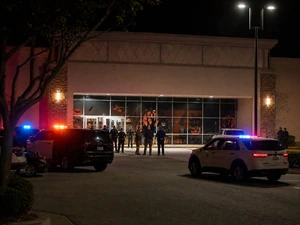
Susan Rush was expected at a Thanksgiving Eve gathering in Washington County, Pennsylvania, in 1976. She never arrived. The next day, her brother found her car on a Washington street, and the 21-year-old was discovered dead in its trunk. For almost fifty years, her family did not know who had killed her.
Months later, another young woman disappeared in the same county. Brenda Ritter, 18, had left her boyfriend’s home in May 1977 but did not get home. Her vehicle was discovered abandoned, and investigators eventually found her body on a hillside about a mile away. Police determined that both women had been sexually assaulted and strangled.
The investigations unfolded at a time when DNA techniques that are routine today did not exist. Detectives interviewed people, examined possible suspects and pursued leads, but neither homicide resulted in an arrest. Families lived with the cases unresolved while the evidence remained in law-enforcement custody.
New Testing Connects the Two Killings
Pennsylvania State Police continued revisiting the investigations over the years. At a November 4, 2026, news conference, officials explained that new testing conducted in 2025 connected the two killings to the same unidentified person. The evidence that once belonged to separate case files had become a link between two crime scenes.
Investigators Identify a Man Who Died in 2023
Investigators then used further forensic work to identify James Richard Clark Sr., a man from the Washington area. Clark had worked as a long-haul truck driver. Police said he was 19 around the time Rush was killed and 20 when Ritter died. He had not previously been an identified suspect in either homicide.
The identification brought an unsettling limitation. Clark died of natural causes in July 2023, before investigators could question or prosecute him. Officials describe him as the person linked to the crimes through forensic evidence, but there will be no criminal trial in which a jury weighs the evidence against him.
Investigators have not established whether Clark knew either young woman or whether the encounters were random. They also cannot say for certain whether he was responsible for additional killings. Police raised the possibility of other victims while stressing that none had yet been identified or linked to him.
The geography of the two cases has remained important throughout the renewed inquiry. Rush disappeared after leaving a shopping area for a holiday gathering, while Ritter vanished after leaving a boyfriend’s residence. Their last movements differed, as did the locations where their bodies were discovered. The newly identified DNA link connected those separate histories without resolving every question about motive or opportunity.
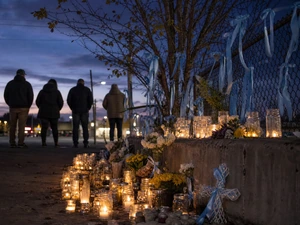
Cpl. James Petrosky of the Pennsylvania State Police described the department’s practice of returning to old evidence as techniques improve. At the news conference, officials noted the significance of maintaining evidence for cases that no longer generate regular headlines. The families of Rush and Ritter received a name for the first time, even though the man investigators identified could no longer answer their questions.
The discovery was announced by Pennsylvania State Police rather than through new criminal charges. Investigators are now looking at Clark’s history and asking whether he can be connected to other unsolved cases; they have not identified additional victims.
References: Pennsylvania State Police name suspect in Washington County cold case murders | State Police identify serial killer responsible for 2 Washington County cold case murders

The Truth In Facts team was assisted by generative AI technology in creating this content
Trending