DNA Links Former Homicide Detective to Girl's 1960 Killing
By Jordan Reyes. Nov 7, 2026
Chicago police say DNA analysis and a preserved fingerprint have linked a former homicide detective to the killing of eight-year-old Gloria Kowalewicz in 1960. Thomas F. McInerney Jr., the man investigators identified, died in 2006 and cannot face prosecution.
The finding points back to a member of the department that investigated Gloria’s death. McInerney joined the Chicago Police Department in 1959, a year before the killing, and later worked as a homicide detective.
A Walk to Church Ends in a Search
Gloria disappeared on November 12, 1960, while walking to church on Chicago’s South Side. She was found shot to death in a ditch hours later. Police interviewed large numbers of people and pursued leads, but the investigation did not produce a prosecution.
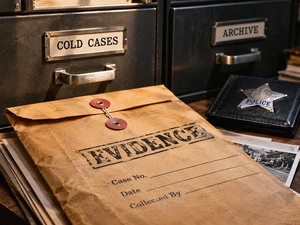
Investigators preserved clothing and a fingerprint associated with an item connected to the case. Those materials survived as forensic techniques developed, allowing later investigators to revisit evidence collected decades earlier.
Preserved Evidence Points to a Detective
Chicago investigators said advances in DNA analysis, used alongside the fingerprint, led them to McInerney. Police publicly identified him as the person they believe killed Gloria.
His later career makes the finding particularly disturbing: a man who investigated killings for the department is now the subject of its conclusion in an unsolved child’s death. According to Associated Press reporting, the department said he should never have worn its badge.
The new identification does not establish what colleagues knew at the time. Nor does the available account demonstrate that anyone deliberately protected him or concealed evidence. Those would be separate claims requiring their own support.
An Identification Without a Trial
Because McInerney died in 2006, the police conclusion cannot be tested through a prosecution of him. There will be no criminal trial at which he can respond to the evidence, and no conviction.
Authorities indicated that his DNA information could be checked against other unsolved cases. No additional crime was established by that possibility in the reporting reviewed. For Gloria’s case, the forensic finding supplies an identity that the original investigation never produced - but it comes too late for a courtroom judgment.
References: Chicago Police Identify Former Detective as Suspect in Cold Case Child Murder | Chicago Police Crack Cold Case Murder With DNA Evidence | Former Chicago Police Detective Named as Child Killer in 1960 Cold Case

The Truth In Facts team was assisted by generative AI technology in creating this content
Trending