
Michelle Hadley Spent 88 Days in Jail for Crimes Her Ex Helped Invent
By Dana Whitfield. Aug 10, 2026
Michelle Hadley spent 88 days in jail after her former fiance and his new wife accused her of a frightening campaign of threats and harassment. The case collapsed when investigators followed the digital trail-and found evidence that the people reporting the crimes had helped create them.
A Former Relationship Became the Center of the Case
Hadley had once been engaged to Ian Diaz, who later worked as a deputy U.S. marshal. After their relationship ended, Diaz married Angela Connell, who was also known as Angela Diaz.
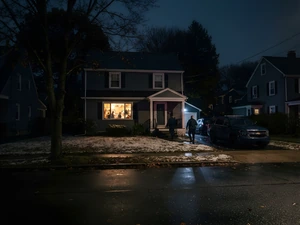
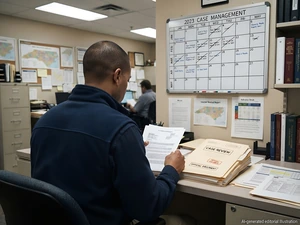
In 2016, Ian and Angela reported that Hadley was sending threatening messages and arranging for strangers to come to their Anaheim home. Hadley denied the accusations, but authorities arrested her and prosecutors initially treated her as the aggressor.
The accusation carried unusual weight because it came from a law-enforcement officer and appeared to be supported by a trail of emails and online activity. Hadley entered jail facing the possibility that a story constructed around her name could define the rest of her life.
The Evidence Began Pointing in a Different Direction
The case changed when investigators examined the accounts, devices and internet records behind the messages. According to federal prosecutors, Ian Diaz and his then-wife posed as Hadley, sent themselves threatening communications and used online advertisements to stage supposed attacks.
The Justice Department said the pair then reported that conduct to local law enforcement while falsely presenting Hadley as a serious threat. The scheme caused her to be arrested, charged and detained for nearly three months for conduct federal authorities later said had been manufactured.
Hadley was released in January 2017 after Orange County prosecutors said the evidence no longer supported the case against her. The reversal did more than clear a criminal charge. It exposed how quickly digital impersonation, a trusted official’s account and an emotionally charged allegation could overwhelm the person insisting she had been framed.
The Accusers Faced Their Own Consequences
Angela pleaded guilty in 2017 in connection with the plot and received a five-year prison sentence. Ian’s legal reckoning took longer.
A federal jury convicted Ian in March 2023 of conspiracy to commit cyberstalking, cyberstalking, perjury and obstruction of a federal matter. The Justice Department said he had used his position and credibility as a deputy U.S. marshal while participating in the campaign against his former partner.
In June 2023, a federal judge sentenced Ian to 121 months in prison, followed by three years of supervised release. The sentence established that the false story that sent Hadley to jail was not merely a misunderstanding between former partners; it was a criminal conspiracy supported by deliberate deception.
What the 88 Days Changed
Hadley’s exoneration did not return the time she spent in custody or immediately undo the public story created by her arrest. For nearly three months, she had to defend herself from inside a jail while reports outside described her as the person behind the threats.
That imbalance is what makes the case larger than an unusual online plot. An accusation supported by fabricated digital activity can move faster than the evidence needed to disprove it. Hadley’s experience shows the human cost when investigators accept the apparent sender of a message without fully testing who controlled the accounts and devices behind it.
Why the Case Is Being Reexamined Now
Netflix’s 2026 documentary A Toxic Love Story returned the case to public attention through police interviews, electronic messages and Hadley’s own account. The film premiered July 23 and became a current entry point into a case that had unfolded over a decade.
Hadley has described the experience as part of a broader pattern of control and abuse. In recent interviews, she has emphasized survival and the warning signs that can be missed when an apparently credible person controls the narrative.
The documentary is not the central drama. Hadley’s lost freedom is. Her story endures because someone she once trusted helped turn her identity into evidence against her-and because the truth emerged only after investigators looked past the accusation and examined who had actually created the digital trail.
References: Michelle Hadley Says She Fell Into a ‘Trap’ and Was Wrongly Jailed | How ‘A Toxic Love Story’ Couple Framed the Husband’s Ex | Former Deputy U.S. Marshal Sentenced for Cyberstalking and Obstruction | A Toxic Love Story Documentary Overview

The Truth In Facts team was assisted by generative AI technology in creating this content
Trending